
InsurTech
Blockchain and Privacy Innovation in Indian Insurance
How Indian insurers are using blockchain and privacy tech to cut costs, prevent fraud, and rewire core insurance workflows
Blockchain’s Role in Streamlining Insurance Workflows
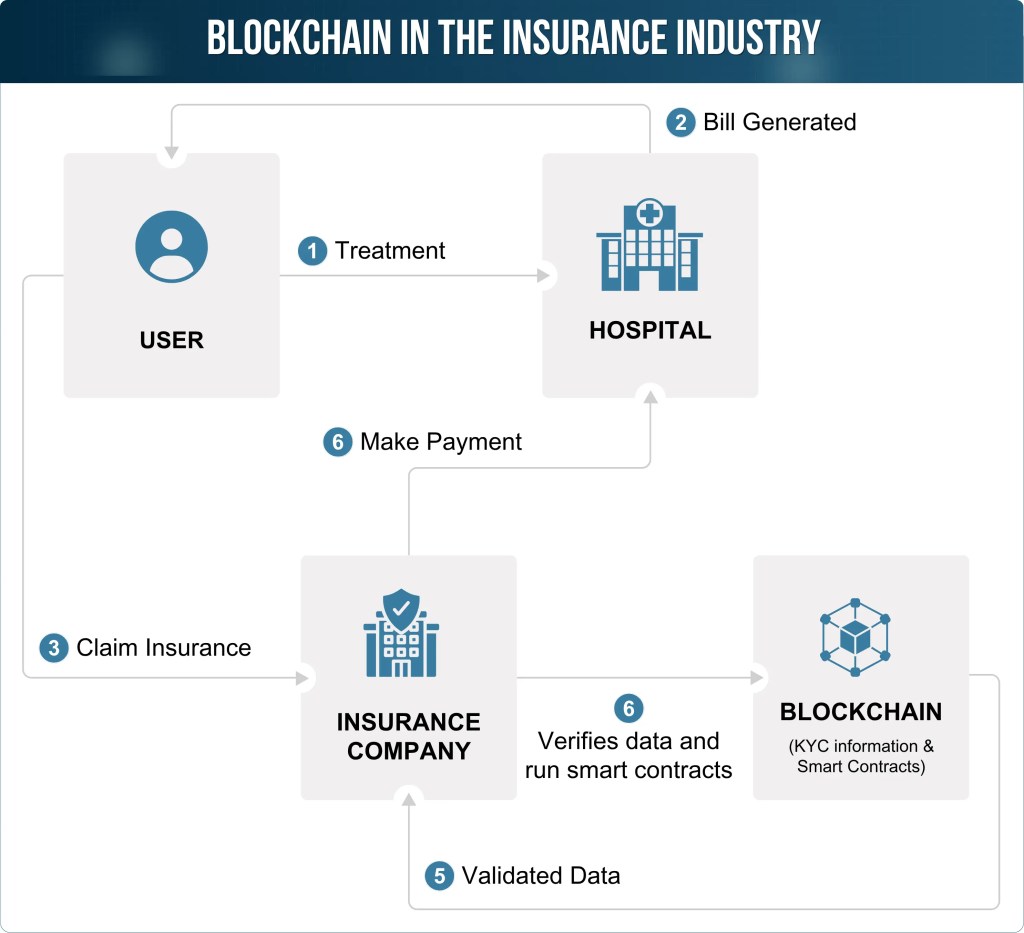
A growing number of Indian insurers are deploying permissioned blockchain networks like Hyperledger Fabric and R3 Corda to unify fragmented data flows, cut fraud, and eliminate redundancy. One notable life insurance consortium implemented a Corda-based blockchain that reduced onboarding costs and duplication across member companies. Policy aggregators have also adopted blockchain platforms to reconcile policy and quote data across insurers in real time ensuring data consistency, operational efficiency, and shared customer profiles.
Smart Contracts & Parametric Claims
Smart contracts are being embedded into parametric insurance products, particularly for agriculture and disaster protection. These contracts automatically trigger payouts based on real-world data such as rainfall or temperature dramatically reducing claim settlement time and eliminating the need for manual validation.
In real-world pilots, weather-linked covers for farmers and plantation owners have shown how parametric smart contracts can offer fast, fair, and fully automated payouts.
Zero-Knowledge Proofs: Privacy Without Compromise
Zero-knowledge proofs (zk-SNARKs) are becoming critical tools in privacy-preserving insurance. These protocols enable systems to validate inputs like identity, policy status, or claim eligibility without revealing the actual data.
They’ve been used to verify hospital bills, prevent claim inflation, and confirm customer eligibility, all without exposing underlying medical or personal records.
Homomorphic Encryption & Encrypted AI
Fully homomorphic encryption is enabling insurers to analyze encrypted claims data without ever decrypting it. This breakthrough allows insurers to run fraud detection or pricing models directly on encrypted information, and only decrypt the final result.
When combined with blockchain, this ensures tamper-proof audit trails while strictly protecting policyholder data.
Health Insurance: Privacy-Compliant Claims at Scale
With India’s healthcare digitization gaining speed, health insurers are deploying blockchain platforms that protect patient data while automating claim workflows. Permissioned blockchains with off-chain encrypted storage and role-based access ensure only authorized parties can view sensitive health records.
Such architectures reduce fraud, speed up claims, and align with national data privacy laws.
Motor Insurance: Tamper-Proof Accident & Repair Claims
Blockchain is being tested in motor insurance for secure, automated claims handling. Accident reports, garage estimates, and approvals can be logged immutably, preventing duplicate claims and reducing delays.
When paired with telematics data and zero-knowledge proofs, insurers can validate safe driving behavior for usage-based insurance without tracking the driver’s full location history.
Parametric Insurance for Climate & Agriculture
IRDAI & Compliance: Sandbox-Backed Innovation
Challenges Ahead: Interoperability, Crypto Concerns, Key Management
Bottom Line
Blockchain and privacy-preserving technologies are no longer experimental in Indian insurance they are functional, cost-effective, and trusted. From agentic automation to fraud-proof health and climate insurance, insurers are embedding trust and privacy at the core of every transaction.
Recent Posts
Related Posts

Cyber Insurance in India: Closing the Growing Protection Gap

Omnichannel Insurance Distribution in India

Insurer Insurtech Partnerships and the Future of Indian Insurance

From Protection to Prediction: How Analytics Is Reshaping Insurance

AI Claims Automation in Insurance: Faster Settlements, Higher Trust