Embedded Insurance 2.0: Expanding Access Through Everyday Ecosystems
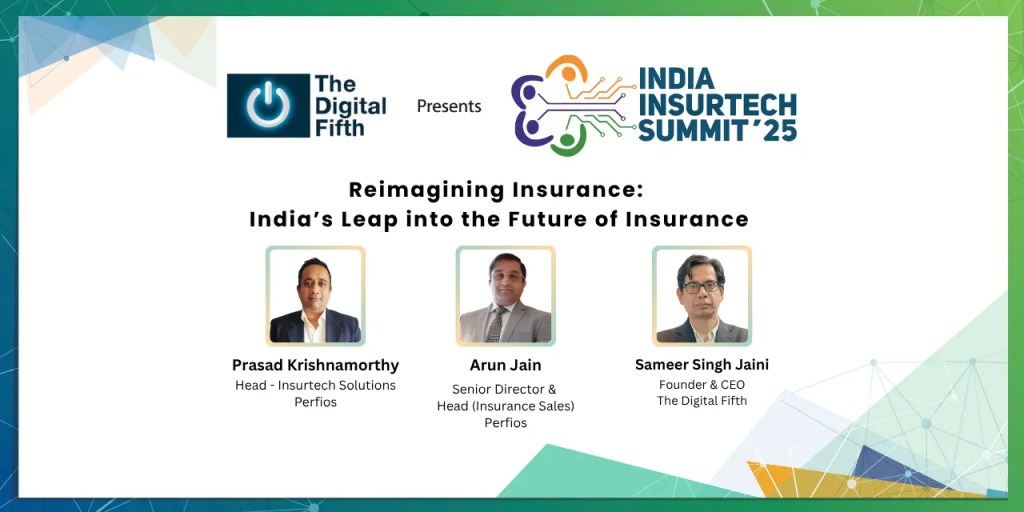
At the recent India Insurtech Summit, industry veterans, entrepreneurs, and investors took a deep dive into the future of embedded insurance—revealing how insurance will shift from being a standalone product to an invisible, integral layer across users’ daily digital journeys.
The Core Shift: From Distribution Channel to Fully Embedded Ecosystem
Traditionally, insurance has been “sold”—often as a tough push, with minimal connection to the customer’s immediate context. The new wave? Insurance as infrastructure, seamlessly integrated at the point of need—think ride-hailing apps, ecommerce checkouts, and digital loan platforms. This not only reduces customer acquisition costs but enables timely nudges and contextual offerings that fit naturally into everyday life.
“The next set of growth in insurance will come from somebody else’s checkout base… Our job is to make insurance disappear, so the customer doesn’t feel like they’re buying it separately.”
What Makes Embedded Insurance 2.0 Different?
True Contextualization: Offerings are matched to “moments” when users are likeliest to need them (e.g., travel insurance on a travel portal, gadget protection with new device purchases).
Frictionless Experience: The insurance journey occurs invisibly, with no paperwork, no jargon, and rapid activation supported by modular APIs and automation.
Compliance by Design: Even as products become invisible, regulatory guardrails remain critical—ensuring clear consent, robust data security, and transparent product disclosures.
Combinatorial Products: The future may see bundled or hybrid protection (covering life, accident, asset, and even value-added services) tailored to user personas and digital habits.
The Tech Underpinnings: APIs, Ecosystem Integration, and Data
API-ification: Progress in API infrastructure allows insurers to integrate with digital partners—ride-sharing, ticketing, super-apps, etc.—without legacy system slowdowns.
Real-Time Data and Analytics: Advanced underwriting, fraud detection, and claims management now leverage behavioral, financial, and ecosystem data—delivered instantly, often via India Stack and emerging frameworks like Account Aggregators and ABHA (health stacks).
Drop in Distribution Costs: The embedded model eliminates high marketing and sales costs, driving price sensitivity and volume-led profitability for all stakeholders.
Challenges and Opportunities
Panelists acknowledged hurdles such as:
Limited product diversity: Most current embedded offerings focus on travel, personal accident, or “bite-sized” sachet products. There’s significant room for innovation in new asset and service categories.
Partner dependency: Only platforms with substantial digital volumes (super apps, ticketing, etc.) can drive scale for sachet products.
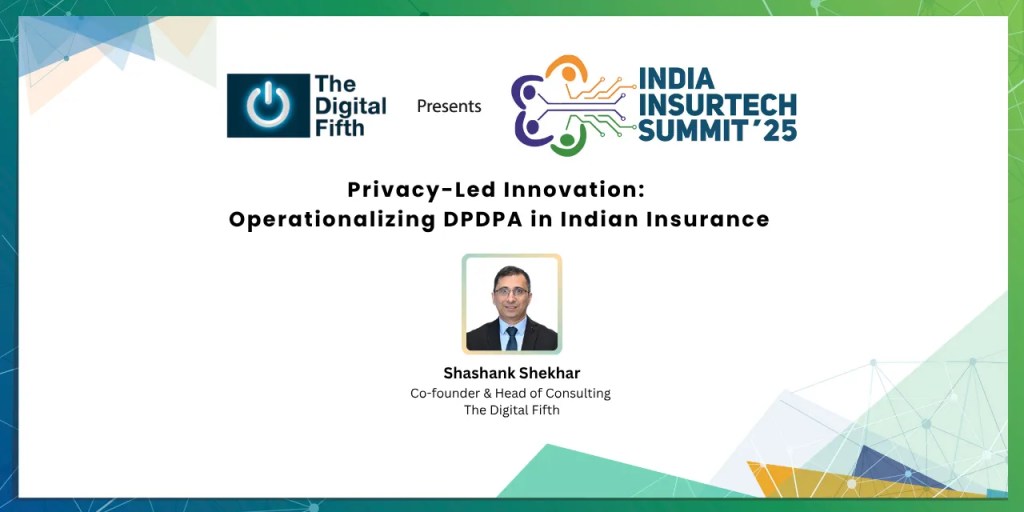
Regulatory friction: New laws like the Digital Personal Data Protection Act (DPDP) demand updated data handling, consent workflows, and compliance frameworks—which can slow onboarding and raise costs.
Claims and ROI: For sustainable adoption, embedded products must not just sell easily but also deliver real value (good claim ratios, fast payouts) to customers. Push-to-pull transition depends on building and maintaining trust.
Investor and Operator Perspectives
For Investors: Embedded insurance offers compelling scale—but real success depends on high attach rates, genuine ROI for the end-user, and efficient, API-led integrations across the ecosystem.
For Operators: The shift requires mindset and process change—not just porting traditional products to new pipes. New product constructs, dedicated service workflows, and real-time, compliant data practices are needed to unlock the true potential of the model.
The Road Ahead: What Will Embedded Insurance Look Like?
Personalized, Bite-Sized, Modular: Products that adapt dynamically to user needs, habits, and contexts, often bundled with other digital services.
Omni-Channel Reach: From ride-hailing to food delivery, insurance will travel alongside users, embedded into the digital economy’s flows.
Smarter Compliance: Regulatory “compliance by design” will be built into every journey—covering consent, data security, and prompt disclosure.
Education & Trust: Customer and partner education becomes lifelong, not one-off, focusing on claims servicing, transparency, and persistency.
Embedded Insurance 2.0 is less about “adding insurance” to digital products and more about making protection a natural, valued part of everyday digital life. Future winners will be those who make insurance invisible, seamless, trustworthy, and genuinely useful powered by robust tech, continuous compliance, and an unrelenting focus on customer need.