InsurTech Investment Playbook: Where Is the Smart Money Going?
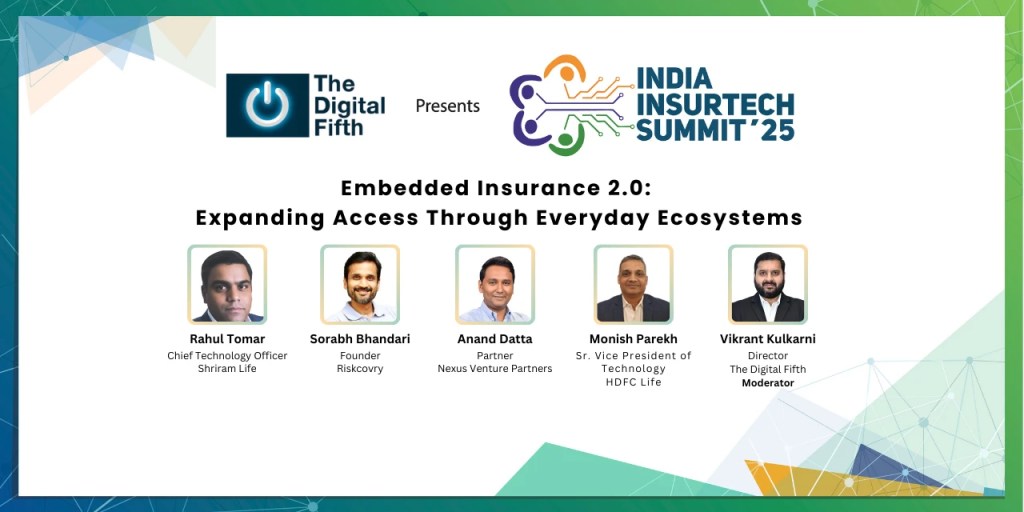
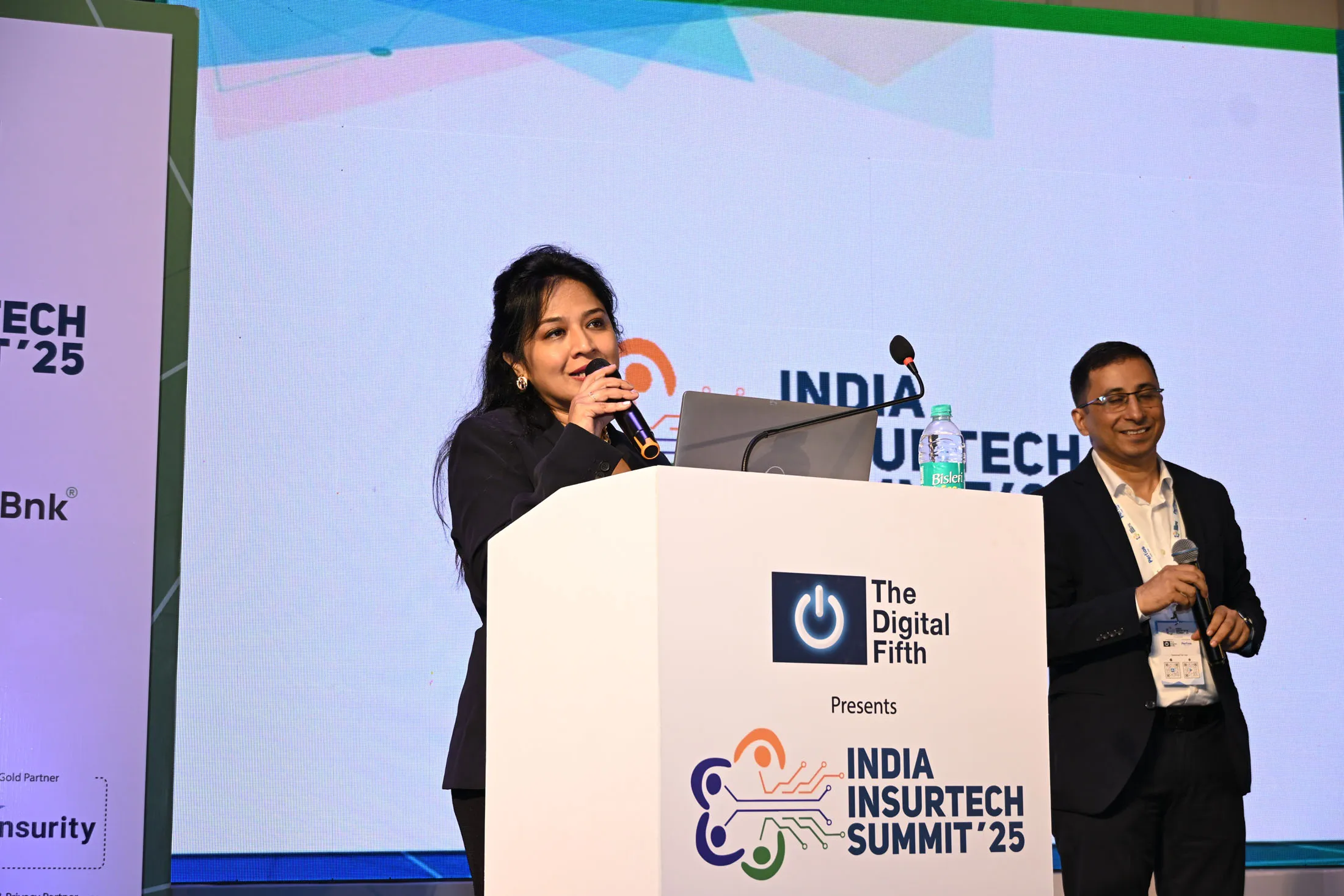
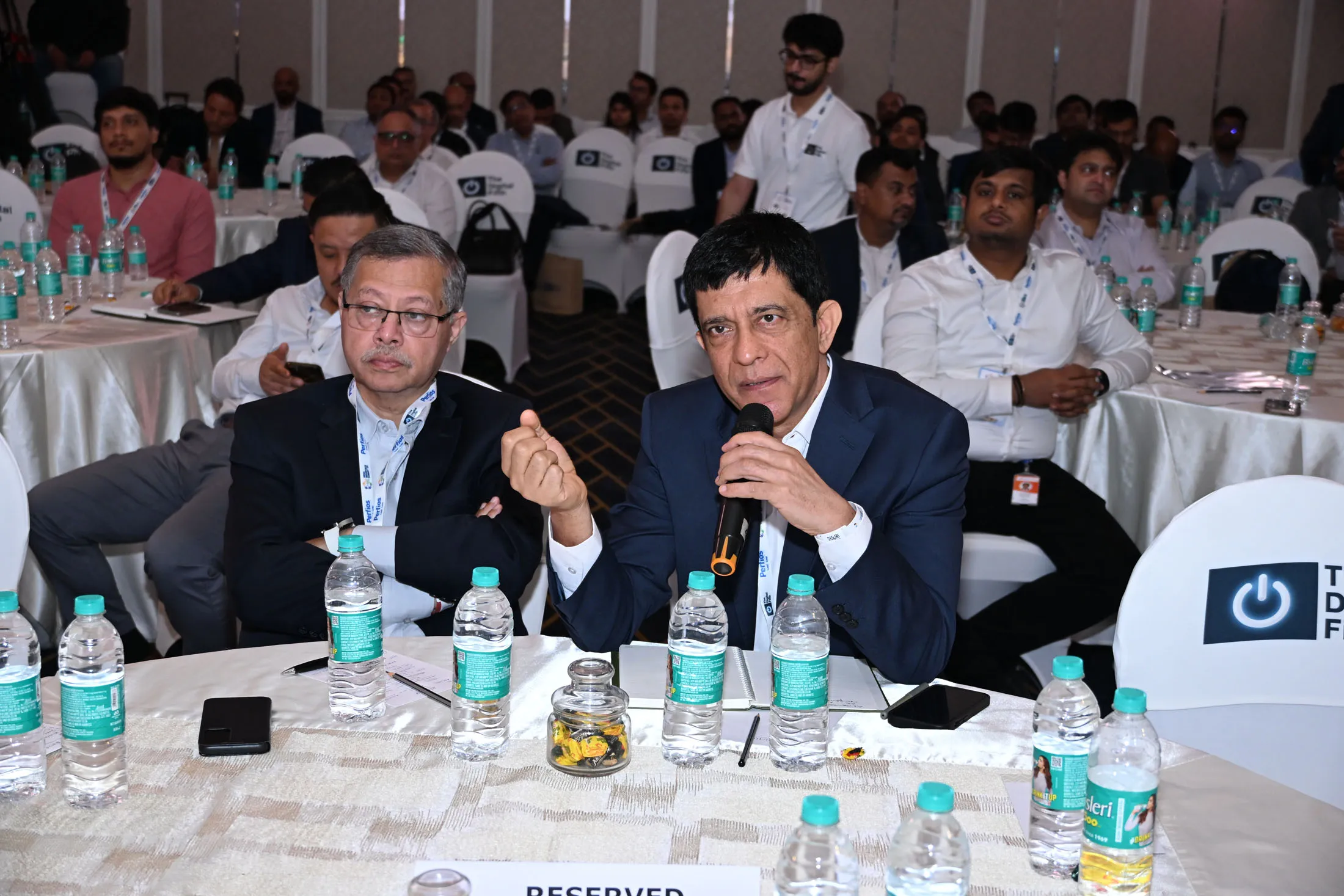
At an industry panel, thought leaders outlined why InsurTech in India is a compelling investment opportunity even amid challenges like regulatory complexity and long gestation cycles.
A Massive, Underserved Market
India’s insurance sector remains significantly underpenetrated, still measuring in low single-digit percentages. This gap, combined with the industry’s large size and double-digit growth, presents a rare opportunity for scaling billion-dollar enterprises in both manufacturing (underwriting) and distribution (brokering and embedded finance).
Investible Segments: Manufacturing vs. Distribution
Investors differentiated between:
Manufacturing (Neo-insurers): These require substantial regulatory navigation and capital, making them more suited to late-stage players.
Distribution Models: Digital brokers, embedded finance, agent-led platforms, and niche distribution playbooks are ideal for early-stage funds. These models often exhibit sharper unit economics and faster routes to revenue.
Early-Stage Focus: Distribution & Tech-Driven Solutions
Early-stage capital is prioritized for ventures that combine tech innovation with strong distribution potential. Ideal startups address key gaps such as:
Real-time access to physical insurance policies
Integration for transactional use cases (e.g., lending linked to policy assets)
Founders creating infrastructure around claim automation, underwriting efficiencies, embedded finance, or supply chain support are becoming centerpieces of many portfolios.
Investment Criteria & Developer Profiles
Common themes from investors include:
Capital Efficiency: Startups must show disciplined usage of capital, particularly in distribution-heavy models.
Domain Expertise: Founders with prior insurance or regulatory experience—“gray hair,” as put by panellists—are often preferred. This helps in navigating the complexity of compliance from Day One.
Balanced Metrics: Startups must demonstrate cost savings, revenue lift, improved customer outcomes, or automation benefits especially when integrating AI or automation.
Sustainability & Long‑Term Thinking
InsurTech is viewed as a long game not a short-term play. Investors want to see:
Thoughtful capital raising that avoids overfunding
Durable distribution moats rather than ephemeral traction
Five-to-ten-year business plans aiming for real economies of scale and eventual exit readiness
AI & Automation: Table Stakes, Not Buzzwords
Artificial Intelligence is no longer optional—it’s seen as a standard hygiene factor. But investors are clear:
AI must show measurable impact reduction in manual claim handling, enhanced underwriting accuracy, lower ticket volumes, improved NPS, etc.
Founders need to demonstrate integration rather than token inclusion of AI. If AI isn’t yielding cost or revenue gains, it’s merely a tech demo.
Investor–Founder Dynamics & Mindset
Investors reiterated that, far from being intimidating gatekeepers, they’re fellow founders who deeply care about execution, continuity, and ecosystem building. Founders are encouraged to approach them openly with humility, focus, and clear execution plans. It’s execution not just big ideas that ultimately drives portfolio investment decisions.
Key Takeaways for Founders
Target distribution-led or tech‑driven models in early-stage funding.
Emphasize capital-efficient scaling and measurable performance metrics.
Build with domain awareness—understand regulation, distribution, and insurance economics.
Integrate AI with clear ROI and operational efficiency.
Have a long-term vision your business model should be built for scale, not quick exit.
Conclusion: InsurTech as Long-Term Value Creation
India’s InsurTech sector is poised for transformative growth if capital flows smartly and founders deliver on execution. With the right combination of domain proficiency, capital discipline, and technology-led differentiation, ventures can not only win funding, but build enduring businesses that redefine insurance in the digital era.
By combining technology, governance, and executive commitment, insurers can use this moment to build not just compliant systems, but future-ready, customer-centric businesses that lead with trust.