
Insurance-as-a-Service: Insurance is No Longer Just Sold, It’s Served
The Indian insurance industry is undergoing a foundational shift, moving beyond digitization into a service-led distribution model. At the heart of this transformation is Insurance-as-a-Service (IaaS), an approach that reimagines insurance as a modular, API-driven offering that can be embedded into any digital ecosystem. Much like cloud-based software, IaaS allows insurance products to be delivered where customers are in real time, within everyday platforms rather than through legacy sales cycles.
What Is IaaS and Why It Matters
IaaS breaks down traditional insurance workflows like product design, pricing, policy issuance, and claims into digital services. These can be offered “as-a-service” through APIs, enabling partners whether fintechs, retailers, ride-hailing platforms, or telcos to distribute insurance without becoming insurers themselves. Customers benefit from frictionless, relevant coverage; businesses gain new revenue streams; and insurers unlock scale. It’s a win-win-win and it’s reshaping the way protection is consumed.
India’s Moment: Why the Market Is Ready
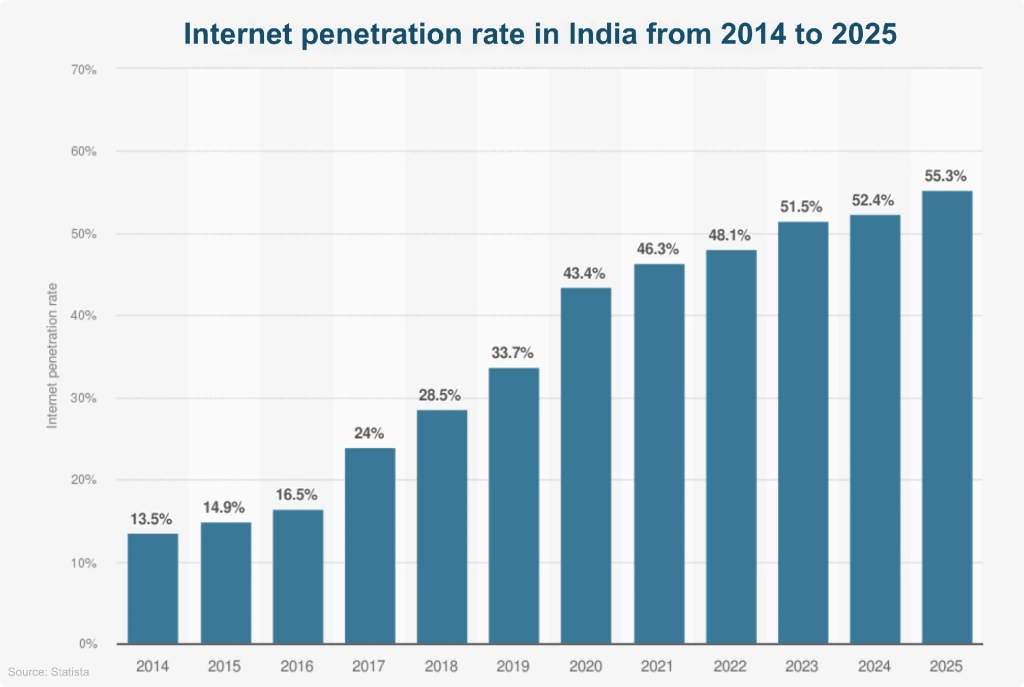
With over 750 million internet users and a large underinsured population, India offers ideal conditions for IaaS. Insurance penetration remains under 4% of GDP, far below global benchmarks, yet mobile-first behavior is widespread. Rising demand for financial protection post-COVID, coupled with growing digital maturity, makes the country fertile ground for embedded, accessible insurance. InsurTechs like Acko, Digit, and Turtlemint are already proving the model works, issuing millions of policies through digital and partner-led channels.
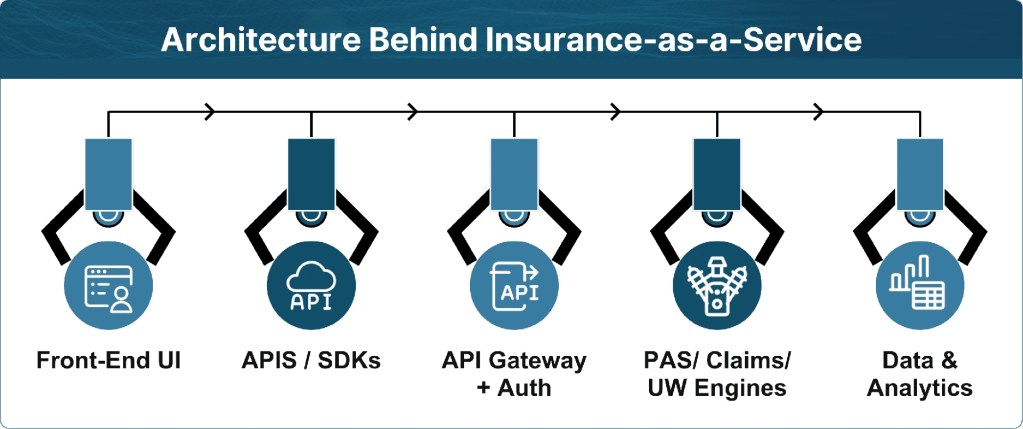
The Architecture Behind IaaS
What makes IaaS work is its underlying technology: cloud-native systems, open APIs, and modular microservices. Insurers can now integrate with partners in weeks, launch niche products with minimal operational burden, and enable real-time policy servicing. Add in AI-powered underwriting and digital KYC, and the insurance experience becomes instant, intelligent, and scalable both for the end customer and for the distributor.
In health insurance, wearables are increasingly being used to incentivize fitness and reduce claims. Insurers are offering premium discounts, vouchers, or rewards linked to daily activity and wellness goals. Max Bupa Health Insurance, for example, has partnered with GOQii to track fitness data and provide customer rewards. Aditya Birla Health Insurance offers premium-linked incentives based on data collected via mobile apps and wearables, while ICICI Lombard’s ILTakeCare app integrates wearable data to manage policies and encourage healthy habits.
India’s wearable technology market has witnessed explosive growth in recent years. According to the International Data Corporation (IDC), India became the largest wearable market in the world in Q2 2023 by shipment volume, with over 32 million units sold in the first half of the year alone an increase of nearly 50% year-on-year. Smartwatches and fitness bands have become increasingly affordable, with many models priced under ₹2,000, making them accessible to the middle and lower-income segments. This surge creates fertile ground for insurers to integrate wearables into health and wellness policies. As more consumers track their steps, sleep, and heart rate daily, insurers can use this real-time data to offer dynamic premiums, incentivize healthy behavior, and reduce long-term claims. With IRDAI’s support and India’s expanding digital infrastructure, wearable-linked insurance is poised to become a mainstream offering in the coming years.
Market Momentum and Key Stats
India’s digital insurance market is growing at an estimated 20–25% CAGR. By 2030, up to 35% of all premiums could be influenced or transacted via digital channels. Embedded insurance covering everything from travel delays to screen damage is growing 3x faster than traditional retail insurance. InsurTechs in India have raised over $1.5 billion since 2018, and platforms like PhonePe, Ola, Amazon, and IRCTC report 20–60% attach rates when insurance is bundled into purchases. The model is not theoretical, it’s already scaling.
Real-World Use Cases: B2C and B2B2C in Action
On the consumer side, Acko sells smartphone protection via Amazon, while Digit’s app allows users to buy travel insurance in 90 seconds. PolicyBazaar’s platform enables end-to-end policy comparison, purchase, and servicing. In the B2B2C space, startupslike Riskcovry and Zopper provide white-label insurance APIs for NBFCs, e-commerce companies, and HR platforms. Onsurity, meanwhile, helps SMEs offer group health benefits via monthly SaaS-like subscriptions. Insurance is no longer a vertical, it’s a plug-and-play feature across industries.
Strategic Benefits for Insurers
IaaS offers insurers more than just digital polish; it’s a strategic unlock. They can launch new products faster, distribute them via partners with high customer engagement, and lower operational costs by automating servicing. For traditional insurers, it’s an opportunity to act as a “risk engine” while letting tech-savvy partners handle customer experience. For digital-first carriers, it’s the default business model. Either way, the result is greater reach, better margins, and higher customer satisfaction.
Conclusion: The Time to Act Is Now
Insurance-as-a-Service is not a passing trend, it’s the new operating model. For insurers, the choice is clear: evolve toward service-led distribution or risk being sidelined by more agile, partner-driven ecosystems. The winners will be those who think beyond product pipelines and embrace platform thinking where APIs, partnerships, and user experience take center stage. IaaS is no longer the future. It’s already here and it’s moving fast.
Read more

EV Insurance in India: Challenges, Trends & Opportunities
Explore the future of EV insurance in India, including battery risks, PAYD models, fleet coverage, IRDAI regulations, and market opportunities.
Cyber Insurance in India: Closing the Growing Protection Gap
Cyber insurance adoption in India remains low despite rising cyber threats. Explore risks, challenges, opportunities, and the future of cyber coverage.

Omnichannel Insurance Distribution in India
Discover how insurers are integrating agents, digital platforms, embedded insurance, and Bima Sugam to deliver seamless customer experiences.