Surakshit Bharat 2047: Reimagining Insurance for All
In the past, “protection” was merely a subset of life insurance offerings. Today, it has become the cornerstone of India’s insurance narrative. As the country aspires to become a fully secure and inclusive economy by 2047, the idea of Suraksha (protection) must transcend product categories and become a national mission encompassing life, health, and general insurance for every citizen.
- The Vision: Insurance for All by 2047
The IRDAI has articulated a bold and transformative vision: Insurance for All by India@100. But this is not just an insurance goal it’s a national imperative. A Surakshit Bharat (protected India) is one where protection is not a privilege for a few but a guaranteed right for all from rural women to gig workers, from kirana store owners to informal laborers. It’s about safeguarding people’s lives, health, income, and dignity.
- The Reality Check: A Stark Protection Gap
Despite the promise, India’s insurance penetration remains below 4% of GDP — significantly lower than the global average of 7%. The gap is especially acute in:
- Rural populations
- Women
- Gig and informal workers
- Micro and small businesses
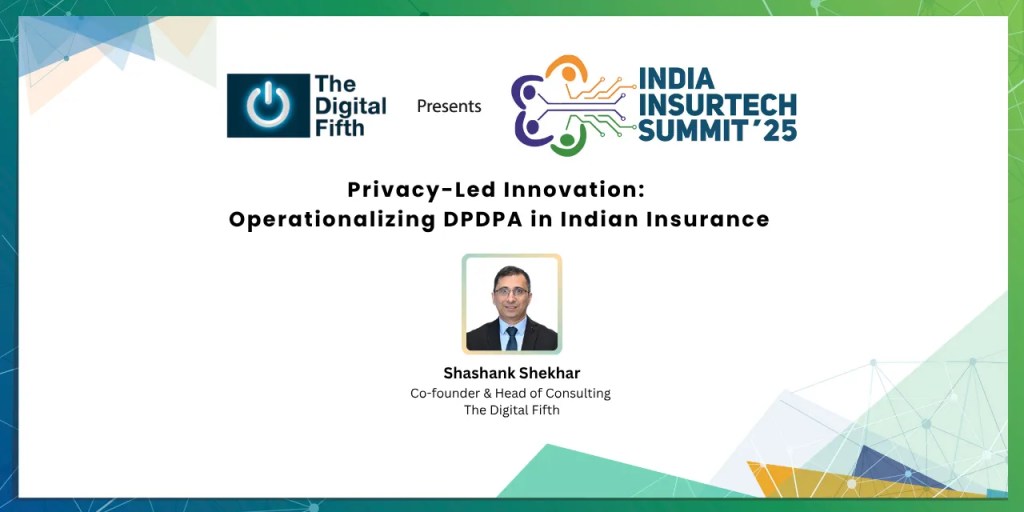
Modern tech platforms purpose-built for India’s regulatory and operational context are key. They must support digital and physical consent capture, provide real-time data tracking, and ensure auditability of every data interaction. The right tech stack can simplify implementation while enabling insurers to stay agile amid evolving regulatory expectations.
What fuels this gap? Lack of awareness, low trust, product complexity, affordability concerns, and weak last-mile access. Even today, for many Indians, insurance is not seen as essential it’s seen as an afterthought.
- Building a Surakshit Bharat: The Pillars of Transformation
To bridge the protection gap, India must radically rethink how insurance is designed, distributed, and delivered.
- 1. Policy & Ecosystem Collaboration
- A unified national insurance framework is essential. Government and private players must co-invest to de-risk new innovations and build scalable models. State-level collaborations between insurers and public agencies are already showing promise — but these efforts need scale and standardization.
- Digital infrastructure Aadhaar, DigiLocker, Account Aggregators can dramatically reduce friction in onboarding and claims if leveraged properly.
- 2. Expanding Distribution Beyond Traditional Channels:
- Banks and insurance agents alone cannot reach the last mile. New partners must be empowered post offices, kirana stores, ASHA workers, and SHGs. These are trusted touchpoints in local communities.
- We must also focus on women-led insurance literacy initiatives. When a woman is financially protected, an entire household gains security.
- 3. Product & Design Innovation:
- Reaching millions requires affordable, modular, and stackable insurance products:
- Micro-premium and micro-claim structures
- Bundle options across life, health, and accident
- Embedded insurance in daily transactions
- Design must reflect the irregular incomes of gig workers or the vulnerabilities of small-town families. Affordability and simplicity must take precedence over product sophistication.
- 4. Trust-Built Technology
- Technology must power not just efficiency but trust. AI and ML are already being deployed for smarter underwriting, fraud detection, and faster claims. But the real differentiator will be customer experience grievance redressal, transparency, and consistent support.
- Cybersecurity and data protection are equally critical. As data becomes the new oil, ensuring privacy and accountability will build confidence in digital insurance systems.
- The Call to Action: Beyond Transactions, Toward Resilience
Insurance cannot remain a transaction. It must become a tool for resilience, a catalyst for confidence, and a promise of dignity.
If Aadhaar revolutionized identity and UPI transformed payments, now is the time for insurance to transform protection. This is not just the industry’s next opportunity it’s India’s next digital infrastructure and national mission.
Achieving a Surakshit Bharat by 2047 will require:
- Vision from policymakers
- Innovation from insurers
- Enablement from technologists
- Advocacy from educators and citizens
The journey is collective. The destination is non-negotiable.
- Closing Thought:
The time for incremental change is over. What we need is audacity to unlearn, adapt, and co-create bold new models of protection. This summit, and others like it, must not just discuss the possibilities but actively shape them.
By combining technology, governance, and executive commitment, insurers can use this moment to build not just compliant systems, but future-ready, customer-centric businesses that lead with trust.
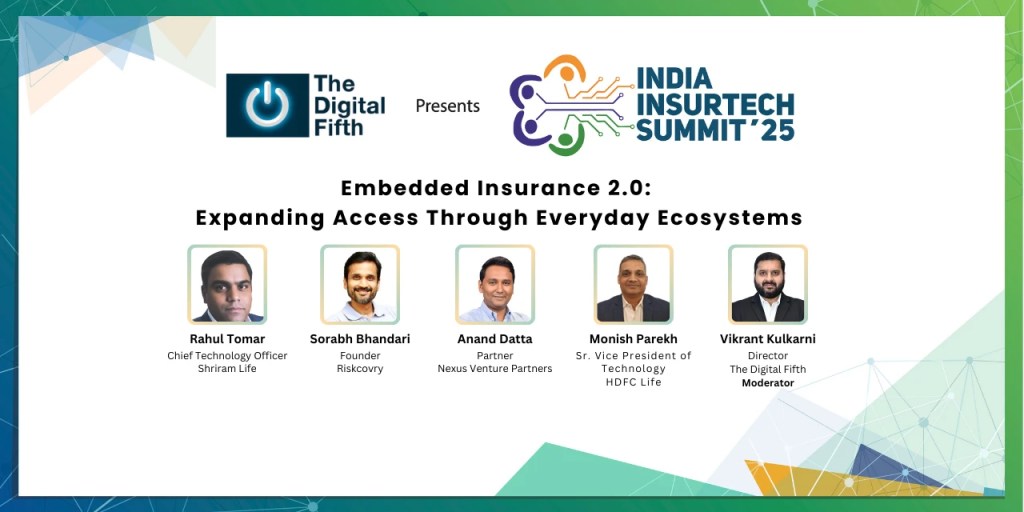
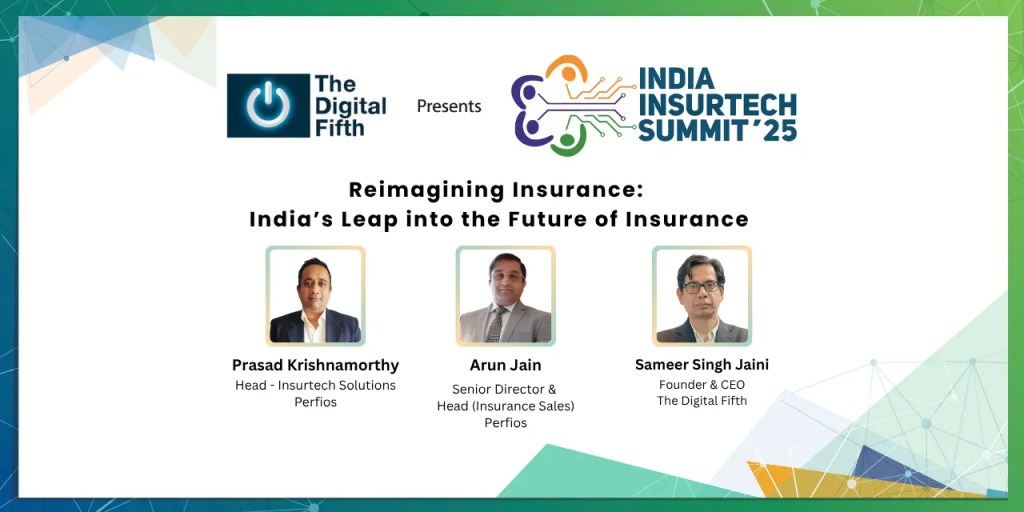
Speakers