Connected Coverage: How Telematics and Wearables Are Reshaping Insurance in India
Insurance in India is undergoing a silent but smart transformation, powered by technology that senses, tracks, and adapts. Telematics and wearable devices are redefining how insurers assess risk and how customers engage with their policies creating a more personalized and proactive insurance experience. From motor premiums that respond to your driving style, to health policies that reward daily steps, the future is connected, and it’s already here.
What Are Telematics and Wearables in Insurance?
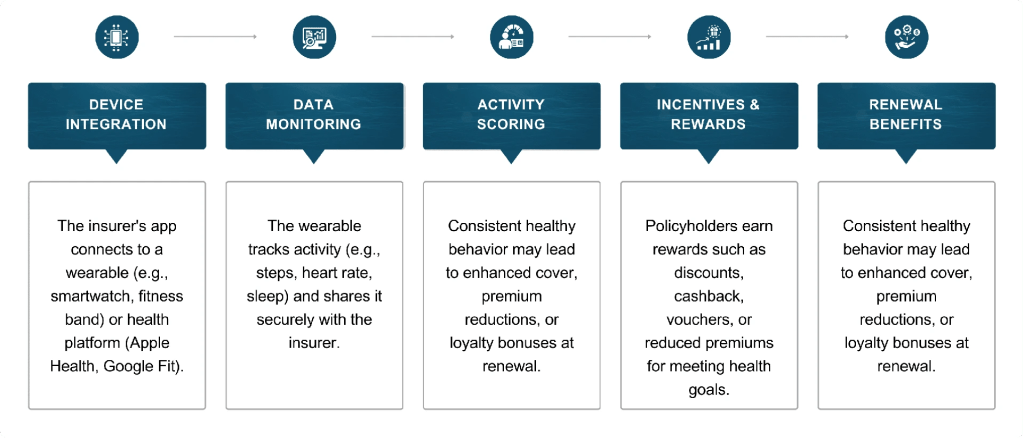
Telematics involves using GPS-enabled devices in vehicles to monitor driving behavior such as speed, braking, mileage, and usage patterns to determine insurance risk. Wearables, such as fitness bands or smartwatches, track health indicators like heart rate, sleep, steps, and activity level to help insurers personalize health policies. Both technologies represent a shift from a reactive, claim-focused model to a proactive, behavior-based one, offering benefits to both insurers and policyholders.
IRDAI’s Push Toward Innovation
The Insurance Regulatory and Development Authority of India (IRDAI) has taken progressive steps in encouraging tech-enabled insurance. In 2022, it introduced the “Use and File” regime, allowing insurers to launch innovative products without prior approval accelerating the rollout of telematics and wearable-linked offerings. Additionally, IRDAI’s regulatory sandbox guidelines have paved the way for pilot projects integrating wearable data into underwriting and claims, particularly in health and wellness plans.
Current Usage and Trends in India
In the motor insurance space, usage-based insurance (UBI) is gaining popularity, with models such as Pay-as-you-drive (PAYD), where premiums are based on kilometers driven, and Pay-how-you-drive (PHYD), which considers speed, braking, and driving behavior. Key players like HDFC ERGO and Tata AIG have launched telematics-based plans under the regulatory sandbox, while digital-first insurer ACKO offers behavior-based motor insurance through pilot programs.
In health insurance, wearables are increasingly being used to incentivize fitness and reduce claims. Insurers are offering premium discounts, vouchers, or rewards linked to daily activity and wellness goals. Max Bupa Health Insurance, for example, has partnered with GOQii to track fitness data and provide customer rewards. Aditya Birla Health Insurance offers premium-linked incentives based on data collected via mobile apps and wearables, while ICICI Lombard’s ILTakeCare app integrates wearable data to manage policies and encourage healthy habits.
India’s wearable technology market has witnessed explosive growth in recent years. According to the International Data Corporation (IDC), India became the largest wearable market in the world in Q2 2023 by shipment volume, with over 32 million units sold in the first half of the year alone an increase of nearly 50% year-on-year. Smartwatches and fitness bands have become increasingly affordable, with many models priced under ₹2,000, making them accessible to the middle and lower-income segments. This surge creates fertile ground for insurers to integrate wearables into health and wellness policies. As more consumers track their steps, sleep, and heart rate daily, insurers can use this real-time data to offer dynamic premiums, incentivize healthy behavior, and reduce long-term claims. With IRDAI’s support and India’s expanding digital infrastructure, wearable-linked insurance is poised to become a mainstream offering in the coming years.
Benefits to Stakeholders
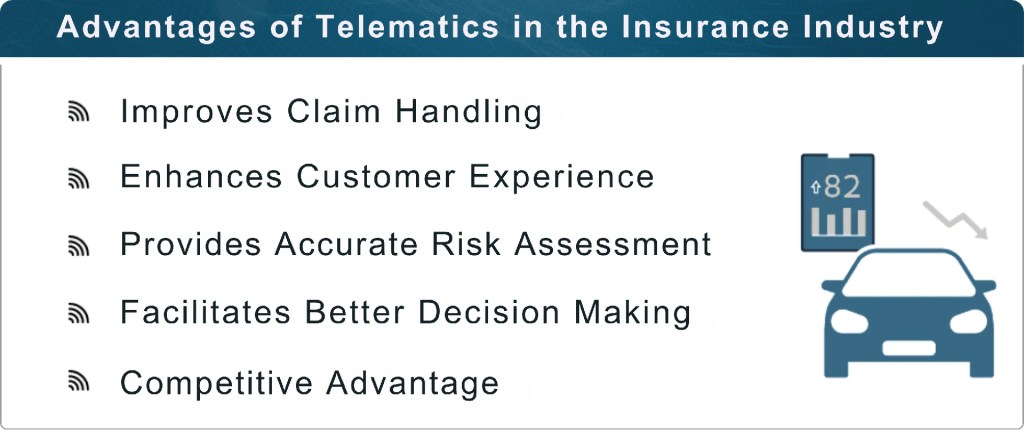
The adoption of telematics and wearables offers tangible benefits to all stakeholders. For policyholders, the use of these technologies means lower premiums, rewards for healthy or safe behavior, and increased transparency. Insurers benefit from better risk profiling, reduced claim ratios, and data-driven underwriting. The broader ecosystem also stands to gain, with preventive healthcare, safer driving habits, and overall wellness improvements becoming integral parts of insurance offerings.
Challenges & Limitations
Despite their promise, these technologies come with challenges. Privacy concerns are paramount, making robust data protection laws and transparent consent management essential. Standardizing device compatibility and data formats remains a hurdle, as does building consumer trust in how their data will be used. Affordability and scalability, particularly in rural markets, also pose significant challenges.
The Road Ahead
With increasing smartphone penetration, affordable wearables, and the rollout of 5G networks, the ecosystem is ripe for the expansion of connected insurance. IRDAI’s innovation-friendly approach, along with broader digital health and smart mobility trends, is expected to fuel further adoption. Future developments may include bundled IoT insurance products combining fitness, health, and accident coverage, real-time underwriting using continuous data, and AI-driven claim approvals that utilize data from telematics and wearables.
Conclusion
Telematics and wearables are not just tools for insurers, they are enablers of behavioral change and wellness for policyholders. As India embraces digital health and smart mobility, insurers have a unique opportunity to integrate insurance into daily life, making it more accessible, proactive, and meaningful for millions of Indians.
Read more

DPDPA in Indian Insurance: Privacy-Led Innovation Guide
Indian insurers can operationalize DPDPA using a five-pillar framework to protect data, ensure compliance, and build customer trust.

IRDAI Sandbox: Transforming Insurance Innovation in India
How IRDAI’s sandbox framework is driving innovation in India’s insurance sector testing new ideas safely, scaling real-world impact.

National Health Claims Exchange (NHCX): Health Claims Reform
The National Health Claims Exchange (NHCX) is transforming India’s health insurance system with real-time, interoperable, API-based claims processing.